


Ascend Learning has continued its acquisition spree with the purchase of Boston-based Laudio. The company said the goal is to create a comprehensive workforce management offering in healthcare—spanning from student training to advanced career professional development.
Burlington, Mass.-based Ascend focuses on high-growth careers in a range of industries, with a special focus on healthcare and other licensure-driven occupations. Since its founding in 2017, Laudio says it has grown rapidly to serve thousands of leaders managing more than 300,000 frontline staff. Aggregating data from multiple systems, it provides quick access to employee insights and proactively surfaces trends and indicators (e.g., burnout risk) to leaders. Among its customers are UC Health in Cincinnati.
This acquisition builds on Ascend’s recent additions of myTIPreport, a platform that modernizes medical education feedback and competency tracking, and Clover Learning, an online diagnostic imaging education company.
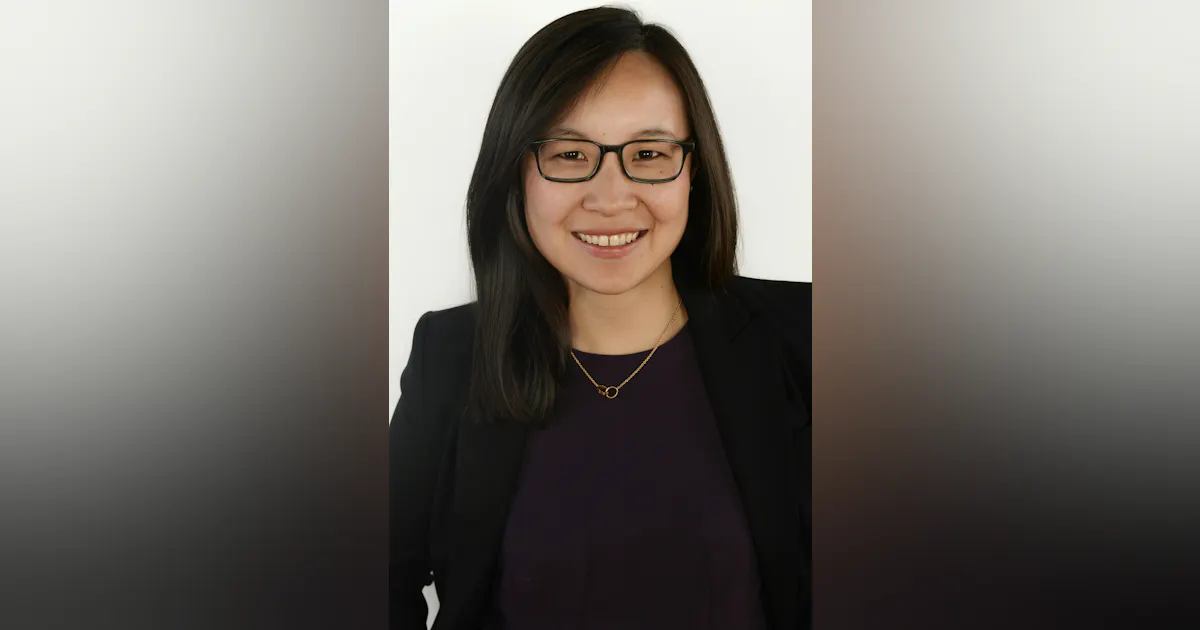
“Exceptional healthcare teams need both effective leadership and skilled professionals,” said Lissy Hu, M.D., CEO of Ascend Learning, in a statement. “By uniting Laudio’s expertise in amplifying leaders with Ascend’s know-how in the education and laddering of healthcare workers, together we can deliver a powerful and comprehensive workforce solution.”
Hu spoke to Healthcare Innovation in December 2024, soon after she took the position of CEO at Ascend. The company she initially founded, CarePort, was sold to WellSky for $1.3 billion in in 2021. After spending three years post-acquisition at WellSky, she now leads Ascend following the retirement of former CEO Greg Sebasky.
At the time, Hu spoke about some of the things she was looking forward to working on in her new position at Ascend. “Some of the conversations we’re having right now are around how we can better enable our providers through technology, but I don’t think there’s enough conversation around how we leverage technology to develop the providers themselves,” she said. “There’s enabling technology, right? Instead of them having to document everything, they can have an AI scribe. But that doesn’t fundamentally help you figure out how to enable these providers to practice at the top of their license and practice in a way that’s tuned to the delivery model or patient population.
“Right now, a lot of people just think about onboarding as watching a bunch of different videos and then, boom, you’re done. Then all the training after that is done ad hoc. I think we want to be more intentional about what type of technology we are building to help our workforce advance and practice in a way that’s tuned to these environments that they’re in, and that’s actually a great way to also drive better patient outcomes. It’s the technology that’s enabling the human capital aspect of it, because at the end of the day, health systems are made up of providers who provide care, so how do we make those providers better?”
link