As heatwaves, wildfires, atmospheric rivers, tropical storms and hurricanes continue to increase in intensity, along with severe environmental pollution, so does resulting health care implications. Many experts in health care are calling for more attention on a rather underrepresented side effect of climate change.
According to Shira Abeles, MD, medical director of sustainability and infectious disease specialist at UC San Diego Health, our personal health is directly tied to the health of our planet.
“The impacts of environmental pollution and climate change are directly tied to human health,” said Abeles. “The well-being of our planet needs urgent attention; we can’t make people healthy on a sick planet.”
In response to the climate crisis, the University of California (UC) established its UC Sustainable Practices Policy to include climate protection, transportation, sustainable building operations, zero waste, procurement, food, energy, water, and health and well-being.
The UC’s formal sustainability commitments began in 2003. The policy guides efforts across the 10 campuses, five academic health centers, including UC San Diego Health, and other university facilities in thirteen areas of sustainable practice.
In 2019, UC San Diego Health launched the region’s first — and only — health care program focused solely on sustainability. The health care system recently received the 2024 Practice Greenhealth Emerald Award for being in the top 20% of sustainability programs, nationwide. UC San Diego Health also received a Greening the Operating Room Recognition Award for the third consecutive year. As part of the recognition, we were named in the Circles of Excellence (awarded to the top 10 organizations in the nation) for leadership for the first time, and in food, green building, purchasing and transportation for the second year in a row.
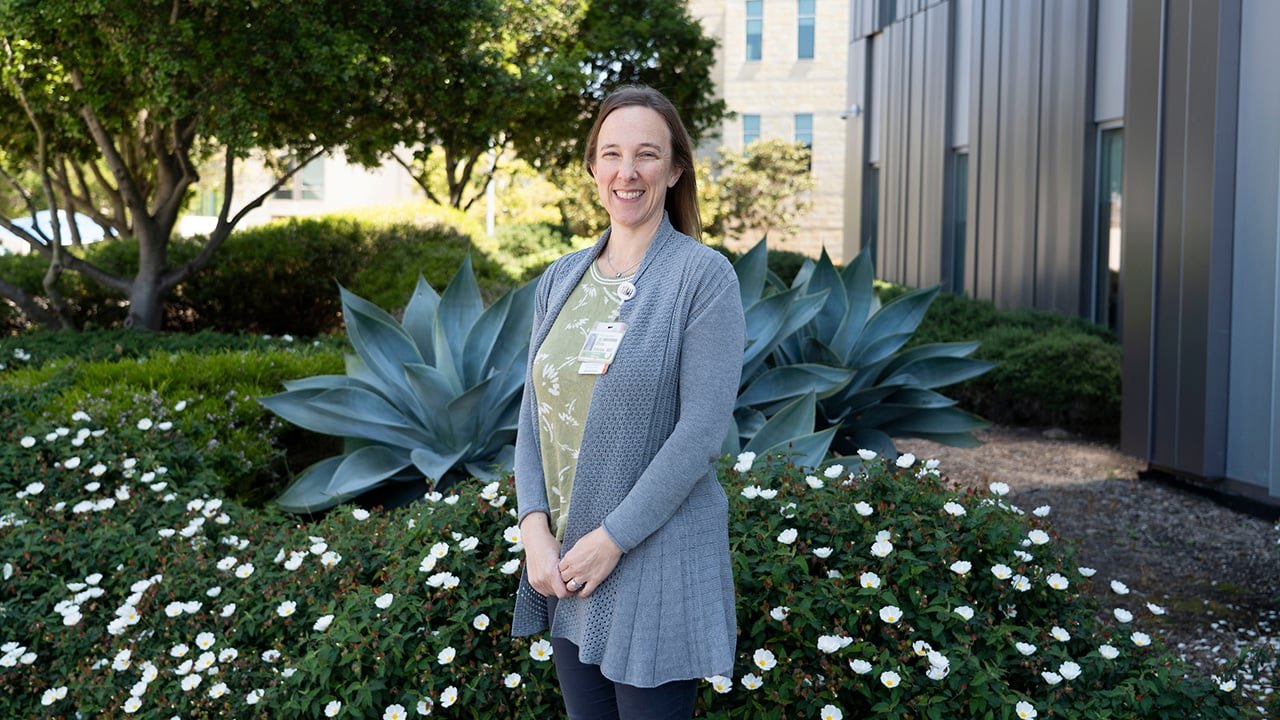
Abeles was named the health care system’s first medical director of sustainability in 2022, the only one in San Diego and one of just 17 across the nation. In this Q&A, Abeles discusses the significance of the role in the efforts to address climate change and provide more information on sustainable health care practices.
As the first medical director of sustainability at UC San Diego Health, what do you hope to achieve?
This is a novel role and my goal is to bridge the efforts led by our sustainability department with the clinical mission of UC San Diego Health to deliver outstanding patient care through commitment to the community, groundbreaking research and inspired teaching. There is so much interest amongst clinicians in changing the medical field to be less damaging to the environment, but there was no designated space for this thought.
We are creating a community amongst executive leadership, physicians, nurses, staff, students, and trainees where we can encourage each other, network, and create sustainable solutions. I truly believe being good stewards of our planet is part of our responsibility within health care and UC San Diego Health is leading the charge.
How does climate change and environmental pollution affect a person’s overall health?
Climate change is going to continue to progress and challenge our health. We have seen more severe weather events having immediate impacts on communities with both physical and mental harm. For example, after increasingly severe wildfires there are increased incidents of respiratory and cardiovascular disease exacerbations due to poor air quality. With the warming climate, we see changing patterns in infectious diseases. And with exacerbated heat waves, we see increased visits to emergency departments and increased risk of death as prolonged and elevated heat exposure challenges every aspect of our body and health.
In addition to climate change, we also must focus on how pollution in general is impacting our health. For example, plastic pollution and microplastics are a significant concern. With 460 million metric tons of plastic produced in 2019 alone, and with plastic taking anywhere from 100 to 1,000 years to break down, we are accumulating the material in our landfills, rivers, oceans and even our bodies. New reports have found that exposure to plastic appears to have wide-ranging effects on our health, such as reducing fertility and increasing cancer risk, with links to metabolic, respiratory and digestive disorders as well.
link