Difficulties continue to pile up for Betsi Cadwaladr University Health Board, which remains under Healthcare Inspectorate Wales special measures. This time for mental health.
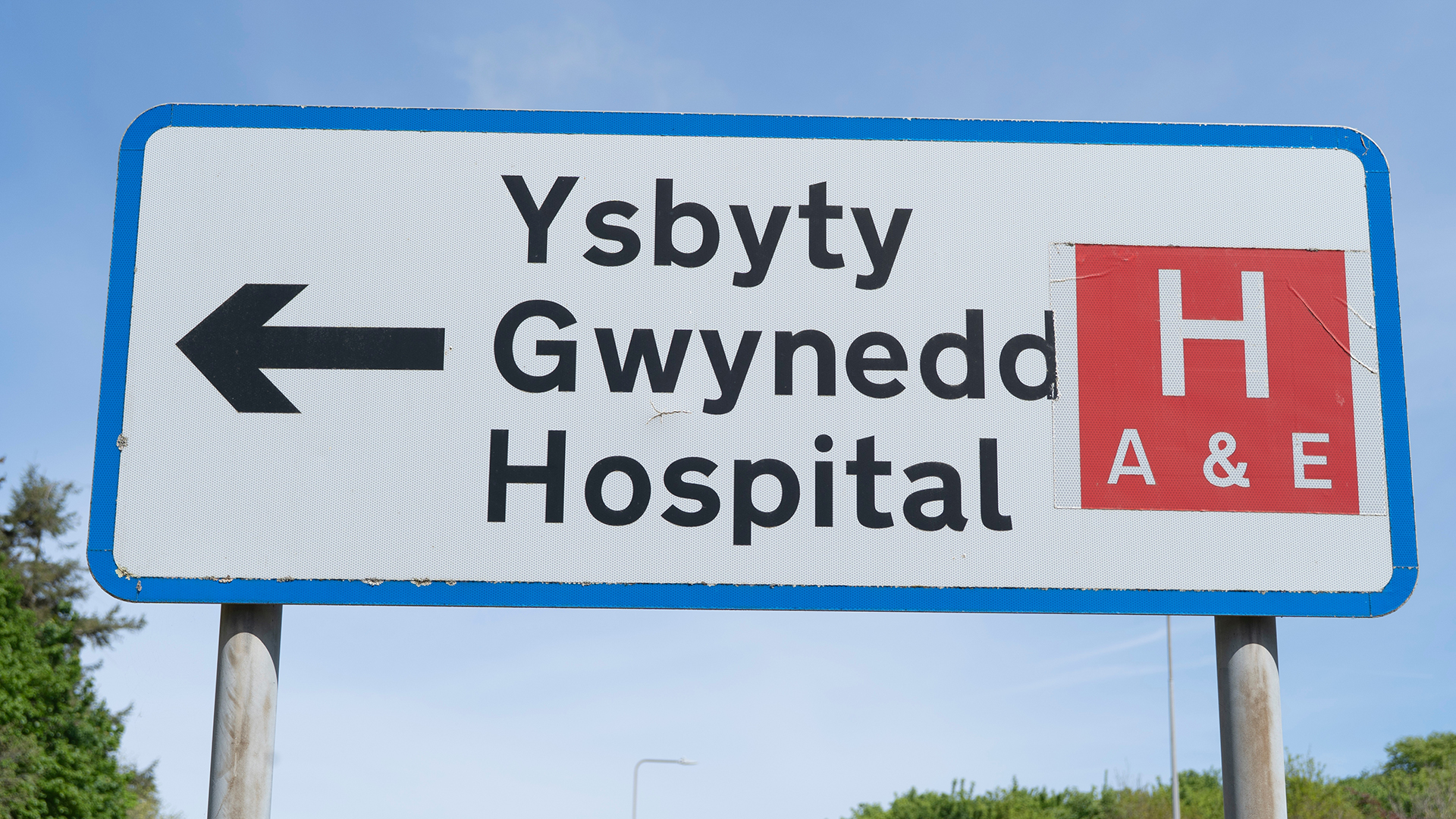
Healthcare Inspectorate Wales (HIW) has published its latest mental health inspection report following an unannounced visit to the Hergest Unit at Ysbyty Gwynedd, part of Betsi Cadwaladr University Health Board, in September last year.
It examined the quality of mental health care, patient experience and leadership across the Aneurin, Cynan, and Taliesin wards, as well as the unit’s Mental Health Suite.
Some progress had been made since HIW’s previous inspection in May 2023, but the lack of structured therapeutic activity programmes across all wards remained a concern, with no progress since the previous inspection.
“Areas for improvement have been identified, such as structured therapeutic activities, clearer patient information, record-keeping, and certain environmental and staffing challenges,” said HIW’s chief executive Alun Jones, who added that the organisation would continue to work with the health board to ensure these issues are addressed and support ongoing improvements in patient experience and safety.
As Healthcare Today has reported, Betsi Cadwaladr University Health Board was placed in special measures – the highest level of escalation – in 2023. The eighth progress report to be published since the escalation to special measures in November last year, found that “fragility, quality and consistency of service delivery” continue to be of real concern across a number of services.
Ongoing difficulties
Diving into the report, patients and staff highlighted the lack of meaningful activities, which are vital for recovery. Although activity rooms and a gym were available, these were underused due to staffing constraints, and some equipment required repair. HIW recommended that the health board prioritise structured regular activity timetables and ensure sufficient staffing to support engagement.
Inspectors also highlighted the unit’s challenges with paper-based records, including difficulties with document completion, storage, and accessibility. They said that the health board should review the current system and consider implementing an electronic record system. On top of this, it noted that some patient records and medication charts were incomplete, including missing legally required forms and inconsistent allergy information, which could impact patient safety.
The unit’s overall environment was concerning, despite being generally clean; some areas required attention to maintain a safe and therapeutic environment. Examples included limited seating in communal areas, maintenance needs in the garden, and shared bedrooms without en-suite facilities. Inspectors also highlighted the need for improved safety signage and repairs to certain facilities, such as water heaters, to maintain a recovery-supportive environment.
Additional findings included issues with a lack of medication storage, record-keeping, and inconsistencies in staff training, appraisals, and vacancy management. Staff feedback highlighted concerns around well-being, resource availability, and the need for greater visibility and support from senior management. The continued absence of a psychologist on the wards was highlighted as a significant gap in care, and persistent staff shortages have resulted in greater reliance on temporary agency staff.
link