Sustainability in pharmaceutical packaging is rarely simple. The complexity of materials and regulatory frameworks surrounding things like blister packs, inhalers, and injectables make them especially difficult to include in talks around circularity.
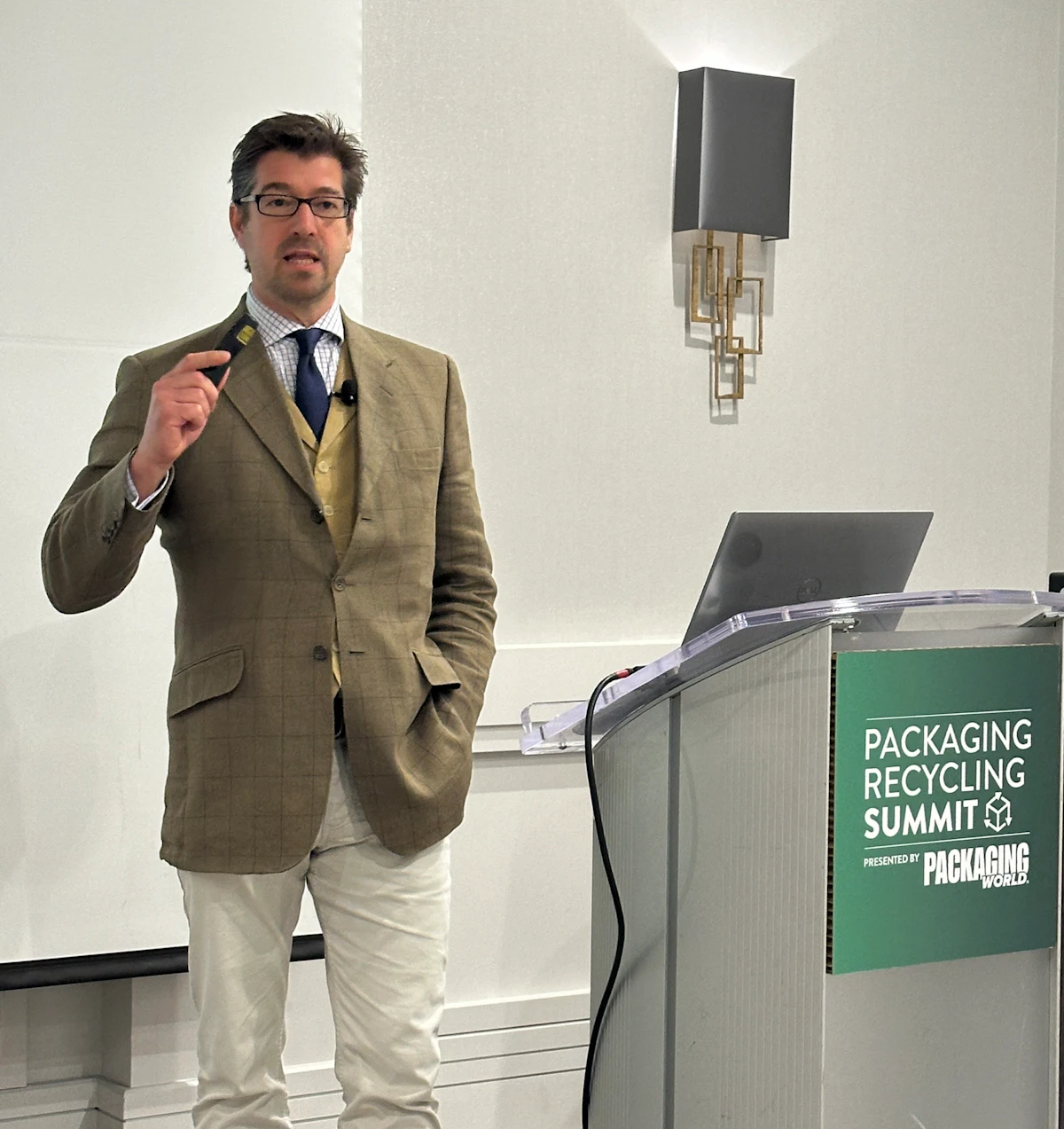
The Circularity in Primary Pharmaceutical Packaging Accelerator (CiPPPA), a collaborative not-for-profit initiative, aims to change this dynamic and is launching a U.K. pharmaceutical packaging take-back program as part of this goal. The take-back program helps the industry stay ahead of sustainability regulations, according to Duncan Flack, chairman at CiPPPA and global sustainability lead at Honeywell, who spoke at the 2025 Packaging Recycling Summit in late June.
“Instead of waiting for EPR and DRS to come up and bite us in 10 years’ time, how much better for the industry to be taking proactive steps, so that come 2035 when all these things fall into place, we can say we’re on top of this, and we’ve got solutions in place,” said Flack.
How the take-back program works
CiPPPA’s take-back program is designed with consumer convenience as a priority, minimizing the need for changes in consumer behavior to participate. In the program, wherever patients pick up their prescriptions, whether it’s a pharmacy, care home, hospital, or prison, they can drop off used packaging for recycling.
link